group breathwork circlesThe Reset
A monthly, community-centered breathwork practice rooted in somatic wisdom, collective care, and the belief that healing does not happen in isolation.
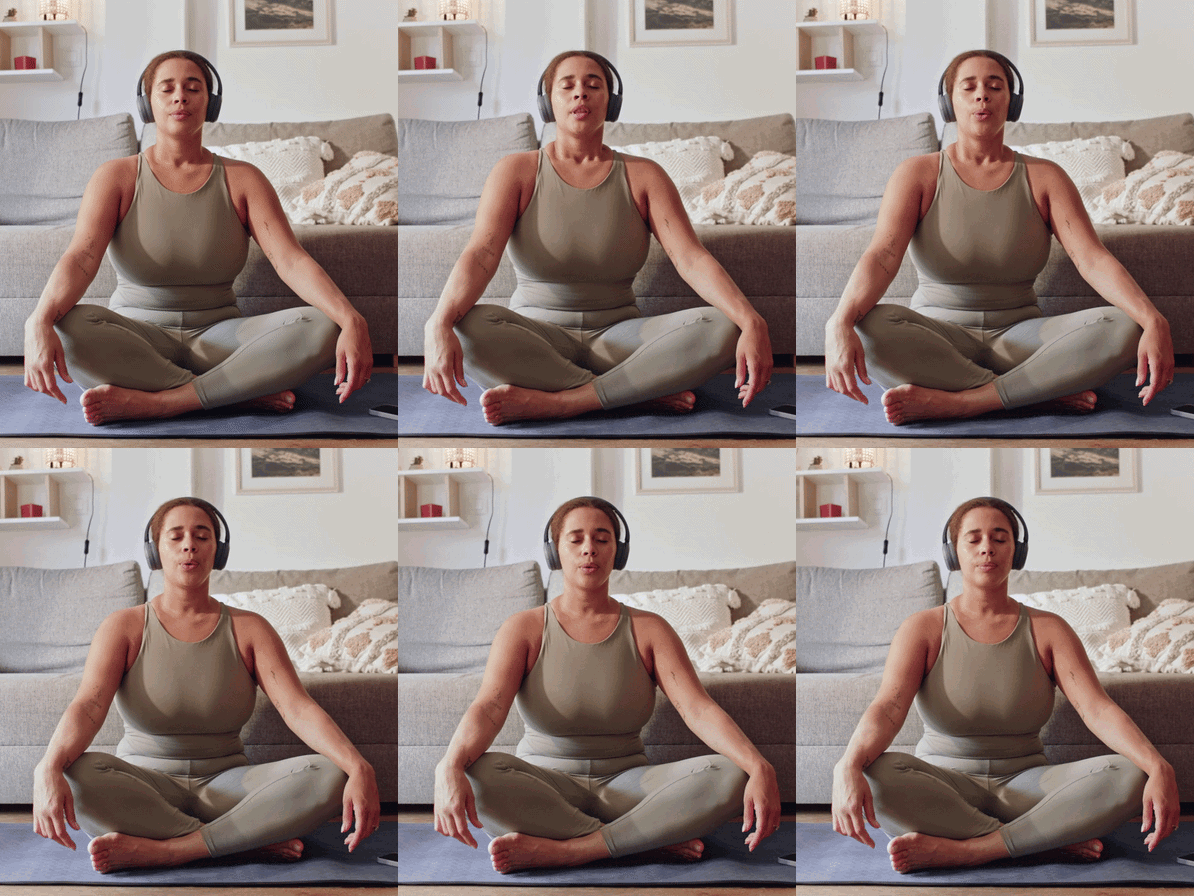

Reclaiming breath, reclaiming freedom together.
Over the years, I have guided thousands of people worldwide through breathwork in private sessions, group containers, and large-scale settings, including my former role as Head of Breathwork at Lindywell.
This class is offered on an ongoing basis as a steady, supportive place to return to your breath, your body, and one another.
Affirming the right to exist, to breathe, and to heal in community.
The Reset is grounded in honoring autonomy, embodied safety, ancestral wisdom, and the lived realities of people navigating chronic stress, oppression, grief, and change.
While the class is trauma-informed, it goes further—centering consent, choice, and pacing so participants can stay in relationship with their bodies without force or overwhelm.
This was built for...
○ Those seeking nervous system regulation in uncertain or demanding times
○ People longing for embodied practices rooted in dignity, agency, and choice
○ Folks who value healing with others, not in isolation
○ Anyone wanting a consistent somatic practice that honors lived experience and ancestral memory
“Without community, there is no liberation.”
audre lordeHow Breathwork Circles Take Shape
This 75-minute class is designed to support deep nervous system regulation, emotional resilience, and reconnection to self—while centering what is most essential: community. Together, we practice breathing as an act of presence, agency, and belonging.
No prior breathwork experience is required. This is not a bro/bio hack style class. This is about the divine right to exist, expand, and grow.
Orient & Ground (15–20 min)
Settle into presence with a collective grounding exercise. Begin with gentle somatic practices to regulate the nervous system and create a shared baseline.
Active Breathwork Practice (25 min)
Engage in guided, intentional breath patterns tailored to the theme of the session (e.g., grief, joy, resilience). Participants are invited to move, pause, or modify practices based on body wisdom.
Energy Movement (15 min)
Supportive movement, vocalization, or gentle shaking to release held tension. This is not framed as trauma release, but as a gentle way to reconnect with the body and energy.
Reflection & Closing (10–15 min)
Optional journaling, sharing, and intention-setting. Space to integrate insights and feel the power of collective presence.
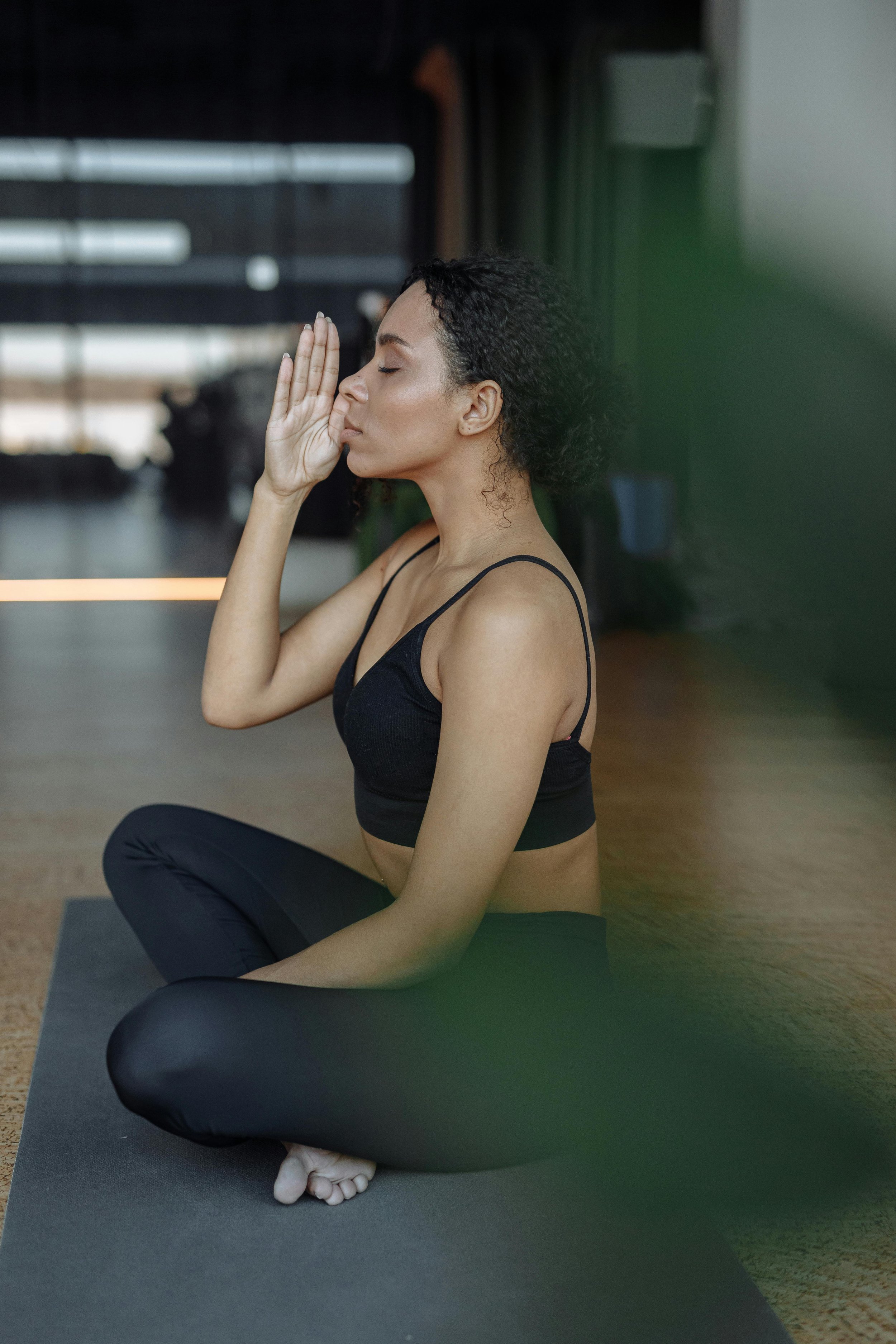
Find a Class
Breathwork circles are held virtually every month. Check the calendar to see upcoming sessions. Classes are offered on a justice-centered sliding scale. The true cost of the experience is $35. When registering, please choose the tier that reflects your current relationship to financial access and stability. No explanation required.
Know Before You Go
-
Breathwork is a conscious practice of using your breath to help shift your emotions and create the desired outcome. Breathwork is an ancient practice rooted in Eastern cultures, often referred to as pranayama, which comes from the Hindu sanskrit prana, meaning “life energy”, and yama meaning “control” — so, it’s control of your life energy. You’ll see both immediate and long-term benefits from your breathwork practice.
While there are many types of breathwork, the two I practice are:
Integrative: This type can be used in your everyday life and yields immediate benefits. back to good Integrative breathwork helps you remove or release toxic energy.
Meditative: This is the state of healing where you do deep internal work. Many people feel stuck in certain patterns of emotion or behavior for years — even decades. Meditative breathwork takes more time and creates meaningful internal shifts.
-
Wear something comfortable. Grab a pillow and a blanket.
Find a place where you can lie down and relax. Do not prop your head with pillows: you want your throat to be relaxed and open. This is important.
Stop eating two hours prior to class to avoid potential nausea.
Find a quiet space where you won’t be interrupted; let anyone in the house know what you are doing. I invite you to ground, and resist over processing the breathwork experience. Be very gentle with yourself and consider participating in self-care activities.
*Breathwork cannot "fix" everything. Consider working with a therapist to support ongoing healing.
Resources:
Loveland Foundation Therapy Fund- For Black Women
-
While I am NOT a medical practitioner and cannot offer medical advice, please take note that if you have any of the following, I recommend completing any breathwork under the guidance of your doctor:
An active addiction
Any person with mental illness who isn’t in treatment or lacks adequate support
Anyone experiencing an emotional or spiritual crisis
Bipolar depression
Cardiovascular problems
Epilepsy or history of seizures
Glaucoma or high or abnormal blood pressure
History of aneurysms
On a heavy medication regimen
Osteoporosis
Recent surgery
Retinal detachment
Severe psychiatric symptoms, particularly psychosis or paranoia
Strokes and neurological conditions
Pregnancy
-
You can practice breathwork every day if you like; it is a totally safe practice. Breathwork can help your body get back into a rest-and-digest state, which often leads to a feeling of calmness.
-
Physically
You may experience tingling, vibrating, dry mouth, a change in body temperature, sweating, shivering, a surge of emotion, or something called tetany (spasms or cramps in your hands or feet). All of these physical experiences are the result of your body having a physical reaction to the changing levels of oxygen and carbon dioxide in your body. They are a common part of the experience for some people, mostly when someone forces their exhale too hard or breathes too quickly.
Emotionally
Emotions can and will come to the surface, and it’s nothing to be afraid of. Common emotions released in sessions are big tears; soft gentle tears; giggling; anger; frenetic energy in the form of kicking, shaking, or howling. It looks different for everyone each time they practice.
**It is possible to feel deep emotions after a session. To some, emotions can be very distressing. Breathwork cannot "fix" everything. Consider working with a therapist to support ongoing healing. Resources: Located on after care tab.
Mentally
Your brain will want to keep doing its job during a breathwork session, which means most people instinctively want to try to “control the show”. It’s similar to why people struggle with meditation because they can’t turn off the endless brain banter, aka, the monkey mind. Just trust your body and keep breathing — the benefits of mental joy, freedom, and peace that come with this practice are life-transforming.